Source indoor car 4g patch antenna for GPS, Navigation, and Telematics
Compare 30 indoor car 4g patch antenna options from verified suppliers. Evaluate models like BGLD-S79 and BGLD240 for signal strength, impedance, and frequency range to find the right solution for your vehicle; compare the available evidence and request quotations based on your requirements.
Key considerations
Products List
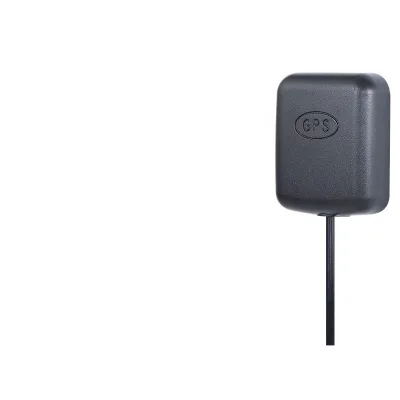
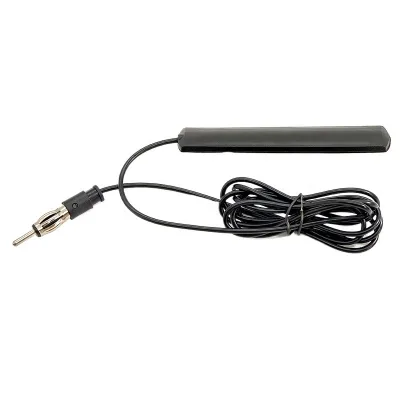
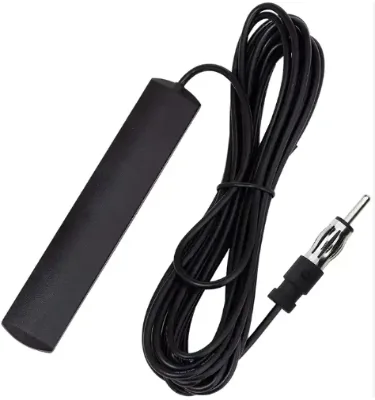
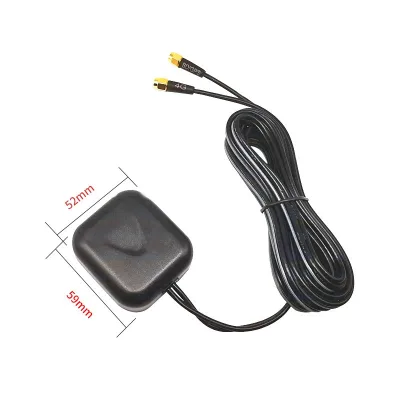
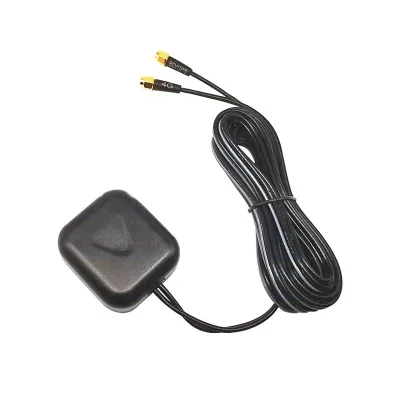
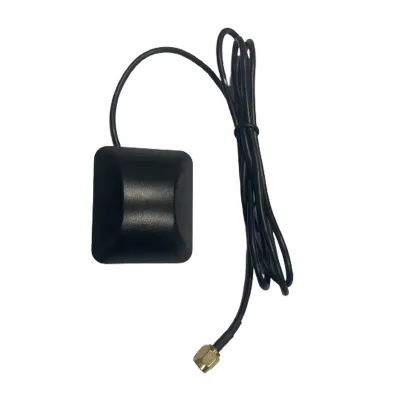


Comprehensive Sourcing Guide
Indoor Car 4G Patch Antenna Sourcing Guide
Procuring reliable indoor car 4G patch antennas requires a nuanced understanding of signal propagation within confined metallic environments. Unlike external mast antennas, patch designs offer low profile and omnidirectional coverage, making them ideal for vehicles where aesthetics and aerodynamics are prioritized. Buyers must recognize that indoor placement often necessitates higher gain to compensate for signal attenuation caused by vehicle glass and metal framing. This guide outlines the critical verification steps for sourcing these components, ensuring that the selected hardware meets the rigorous demands of modern telematics and infotainment systems.
The market presents a variety of patch antenna configurations, ranging from simple FM/AM receivers to complex multi-band GPS and 4G solutions. Sourcing decisions should be driven by the specific frequency requirements of the target vehicle fleet, as mismatched impedance or frequency ranges can lead to significant data loss or connectivity failures. Understanding the distinction between passive patch antennas and active amplified versions is crucial, as the latter may require specific power supply voltages and grounding considerations. This guide focuses on the technical and commercial parameters that define a successful procurement cycle for these specialized communication components.
Product Scope and Observed Listing Signals
The current market landscape for car antennas includes a diverse array of products, from basic AM/FM broadcast receivers to advanced GPS and 4G patch antennas. Listings often highlight features such as strong signal reception, portability, and universal fitment, which are critical for aftermarket installations. Buyers should observe that product names frequently combine multiple functions, such as navigation and positioning, indicating a trend toward integrated solutions. The presence of keywords like "patch antenna for cars" suggests a focus on compact, low-profile designs that can be discreetly mounted inside the vehicle cabin without compromising structural integrity or visual appeal.
Observed listing signals reveal a wide range of specifications, including impedance values of 50Ω and 75Ω, which must be matched to the vehicle’s internal wiring and receiver inputs. Frequency ranges vary significantly, with some products covering 48~860MHz for broadcast signals, while others target specific 4G bands around 2700-3800MHz. It is essential to verify the connector types, such as SMA male, to ensure compatibility with existing vehicle hardware. The diversity in model numbers, such as BGLD-S79 or BGLD240, indicates that buyers must carefully cross-reference technical datasheets rather than relying solely on product titles to ensure the correct component is sourced for their specific application.
Technical Specifications to Verify
Impedance matching is the most critical technical parameter when selecting a 4G patch antenna, as mismatches can cause signal reflection and reduced efficiency. Buyers must verify whether the antenna operates at 50Ω or 75Ω, ensuring compatibility with the vehicle’s radio or telematics unit. Additionally, the frequency range must align with the local 4G network bands, typically spanning 2700-3800MHz for modern LTE connections. Gain specifications, often measured in dBi, indicate the antenna’s ability to focus signal energy, with higher values like 8dBi or 25±3dB offering better reception in areas with weak signal strength. These metrics should be validated against the vehicle’s specific operational environment.
Connector type and cable length are equally vital for installation feasibility and signal integrity. SMA male connectors are common, but buyers must confirm the physical dimensions and locking mechanisms to prevent loose connections during vehicle vibration. Cable length, ranging from short patch connections to 5-meter wires, affects signal loss and installation complexity. Working temperature ranges, such as -20℃ to +70℃ or -40℃ to +85℃, ensure the antenna can withstand extreme cabin conditions without degradation. Buyers should also check the Voltage Standing Wave Ratio (VSWR), with values ≤1.5 indicating efficient power transfer and minimal signal loss.
Compliance and Safety Documentation
While specific certification statuses are not universally listed, buyers must ensure that all antennas comply with regional electromagnetic compatibility (EMC) regulations. In many markets, FCC or CE certification is mandatory for electronic components installed in vehicles to prevent interference with other onboard systems. Buyers should request test reports or compliance certificates from suppliers to verify that the antenna does not emit excessive radiation or suffer from external interference. This documentation is crucial for maintaining vehicle safety standards and avoiding legal liabilities associated with non-compliant electronic accessories.
RoHS compliance is another key consideration, particularly for buyers targeting environmentally conscious markets or strict automotive OEM standards. This directive restricts the use of hazardous substances in electrical and electronic equipment, ensuring that materials like ABS plastic and internal components are safe for disposal and handling. Buyers should verify that the supplier provides material safety data sheets (MSDSDs) for the ABS casing and internal circuitry. Additionally, warranty terms, often listed as one year, provide a layer of protection against manufacturing defects, but buyers should clarify the scope of coverage and return policies to mitigate risk.
Cost Drivers and Commercial Terms
The cost of 4G patch antennas is influenced by several factors, including material quality, gain specifications, and the complexity of the internal circuitry. Higher gain antennas and those with wider frequency ranges typically command higher prices due to the precision engineering required. Buyers should also consider the impact of cable length and connector quality on the final unit cost, as longer cables and robust connectors increase material and labor expenses. Understanding these cost drivers allows for more accurate budgeting and negotiation with suppliers, ensuring that the selected product offers the best value for the intended application.
Minimum Order Quantities (MOQs) and delivery times are significant commercial terms that affect procurement planning. Observed MOQs range from 10 to 500 pieces, with some suppliers offering flexible terms for smaller orders. Delivery times typically span 7-15 days, but buyers should confirm lead times for custom configurations or bulk orders. Payment terms and shipping methods also play a role in the total cost of ownership, with international shipping adding significant expenses. Buyers should negotiate clear terms regarding price breaks for larger volumes and clarify any additional fees for packaging or handling to avoid unexpected costs.
Supplier Qualification and Quality Control
Supplier qualification is paramount when sourcing electronic components for automotive applications. Buyers should verify the supplier’s manufacturing capabilities, including their experience in producing patch antennas and their adherence to quality management systems. Factories located in established electronics hubs, such as Guangdong, China, often have mature supply chains and skilled labor forces, which can contribute to consistent product quality. Buyers should request samples for rigorous testing before committing to large orders, ensuring that the antenna meets all specified technical parameters and performs reliably in real-world conditions.
Quality control processes should include incoming material inspections, in-process testing, and final product verification. Buyers should inquire about the supplier’s testing protocols, such as VSWR measurements, frequency response checks, and environmental stress testing. Documentation of these tests provides assurance that the products meet the required standards. Additionally, buyers should assess the supplier’s customer service responsiveness and after-sales support, as these factors are crucial for resolving any issues that may arise during or after the procurement process. A reliable supplier will provide comprehensive technical support and timely assistance.
Long-Term Procurement Checks
Long-term procurement success depends on establishing a robust relationship with suppliers who can scale with your business needs. Buyers should monitor supplier performance metrics, such as on-time delivery rates, defect rates, and responsiveness to inquiries. Regular audits or site visits can provide insights into the supplier’s operational efficiency and commitment to quality. Building a diversified supplier base can also mitigate risks associated with supply chain disruptions, ensuring that you have alternative sources for critical components like 4G patch antennas.
Continuous market monitoring is essential to stay informed about technological advancements and pricing trends in the antenna industry. Buyers should regularly review product listings and technical datasheets to identify new models with improved specifications or cost efficiencies. Engaging with industry forums and attending trade shows can provide valuable insights into emerging trends and best practices. By maintaining a proactive approach to procurement, buyers can ensure that their vehicle fleets are equipped with the latest and most reliable communication technologies, enhancing overall performance and customer satisfaction.
FAQs
What is the impedance of the indoor car 4g patch antenna?
The impedance is 50 Ohms for the BGLD-S79 model and 50 Ohms for the GPS/4G model. Some other models like the AM/FM antenna have 75 Ohms. Always verify the specific model number to ensure compatibility with your vehicle's radio system before purchasing.
Can I use this antenna for both indoor and outdoor installation?
Yes, the product is designed for both indoor and outdoor positions. It features a working temperature range of -20 to 70 degrees Celsius or -40 to 85 degrees Celsius depending on the specific model. This ensures reliable signal reception in various weather conditions.
Which model number should I choose for GPS and 4G signals?
You should choose the BGLD240 model for GPS and 4G signals. This specific antenna supports frequencies of 1575.42MHz and 2700-3800MHz. It comes with an SMA male connector and offers a gain of 8dBi for strong signal reception.
How long is the delivery time for these car antennas?
The standard delivery time is between 7 to 15 days. This lead time applies to the orders placed for these specific patch antennas. Please note that actual shipping duration may vary slightly based on the specific supplier and destination location.
What is the minimum order quantity for these antennas?
The minimum order quantity varies by model, with some requiring 10 pieces and others requiring 20 pieces. The observed range across all products is from 1 to 500 pieces. Check the specific product listing to confirm the exact MOQ for your selected model.
What material is used to construct these car antennas?
The antennas are constructed using ABS material, which provides durability and resistance to environmental factors. This material choice ensures the antenna remains robust during both indoor and outdoor use. The color is typically black for most models in this series.
Does the antenna come with a warranty period?
Yes, the product includes a 1-year warranty for most models. This warranty covers defects in materials and workmanship under normal use conditions. Always retain your purchase receipt to validate the warranty claim if any issues arise with the antenna performance.